
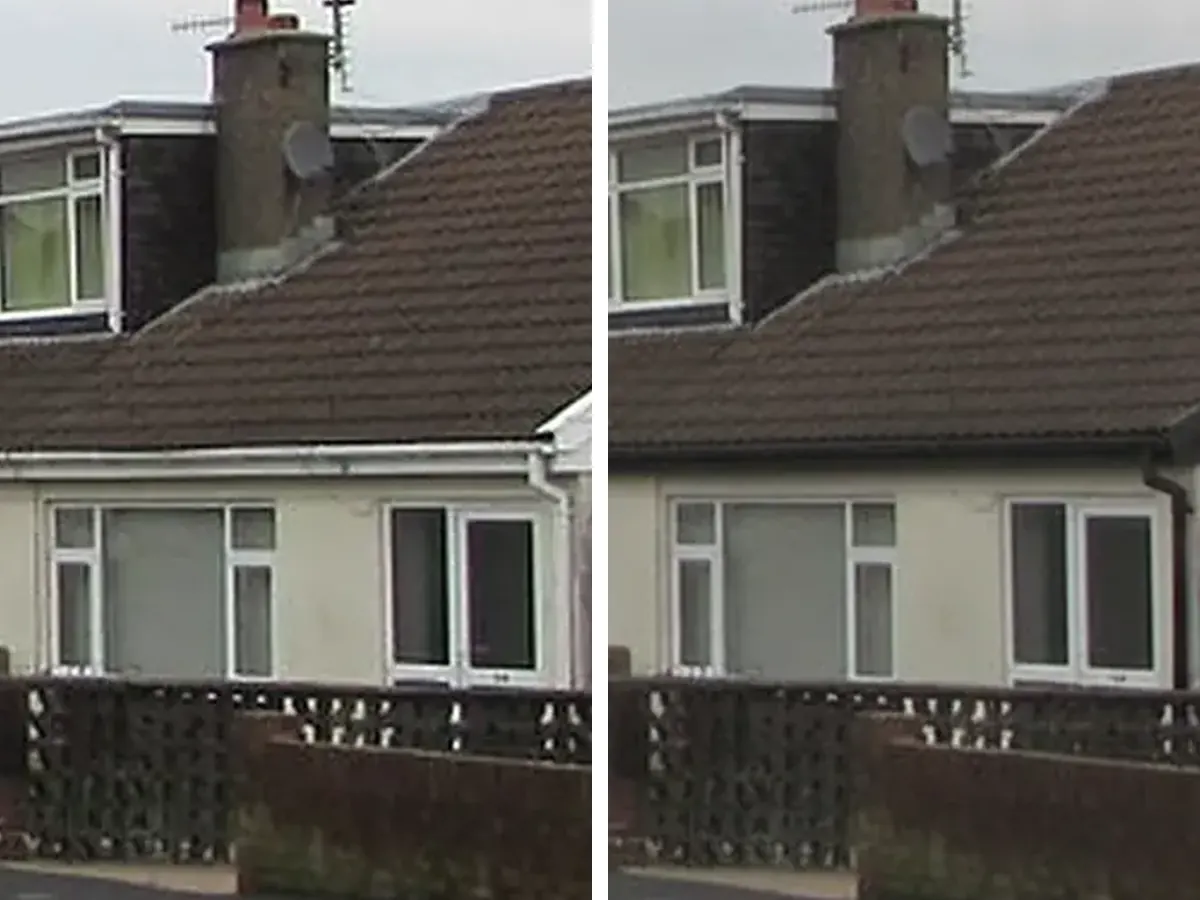
 AnthraciteBeforePreview
Anthracite boards and square gutters on a row of dormers
Example preview made with our tool
Capping vs full replacement
Capping (cladding over) fixes thin uPVC over the old timber and only works if that timber is free of rot and strong enough to carry the gutter. If the timber is rotten, the old boards have to come off and new load-bearing boards go on.
Free, no obligation. One local company prices it, not five.
Before and after
Real houses with tired boards, and the same photo with new fascia and soffit drawn by our tool. Try it on your own house in two minutes.
AnthraciteBeforePreviewAnthracite boards and square gutters on a row of dormers
Example preview made with our tool
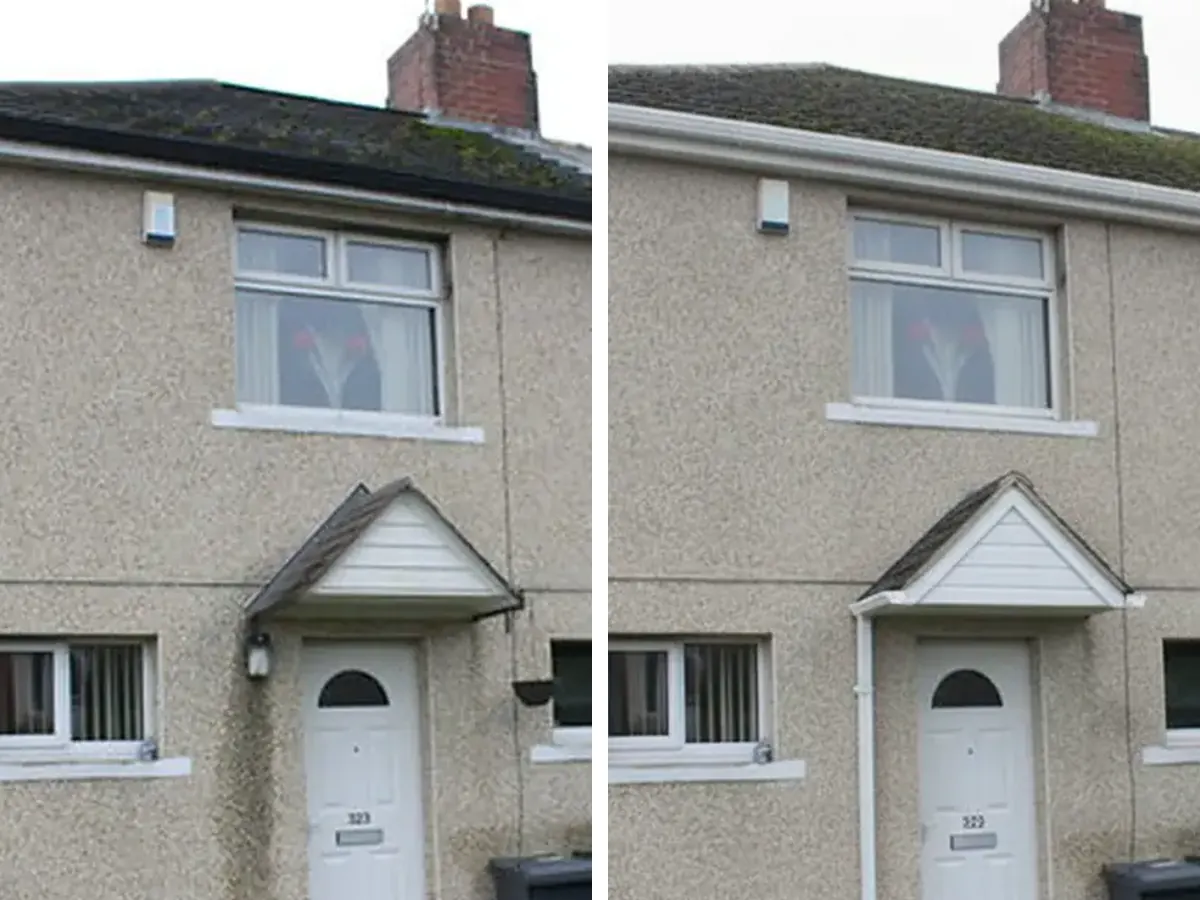 WhiteBeforePreview
Tired dark boards to clean white uPVC on a pebbledash semi
Example preview made with our tool
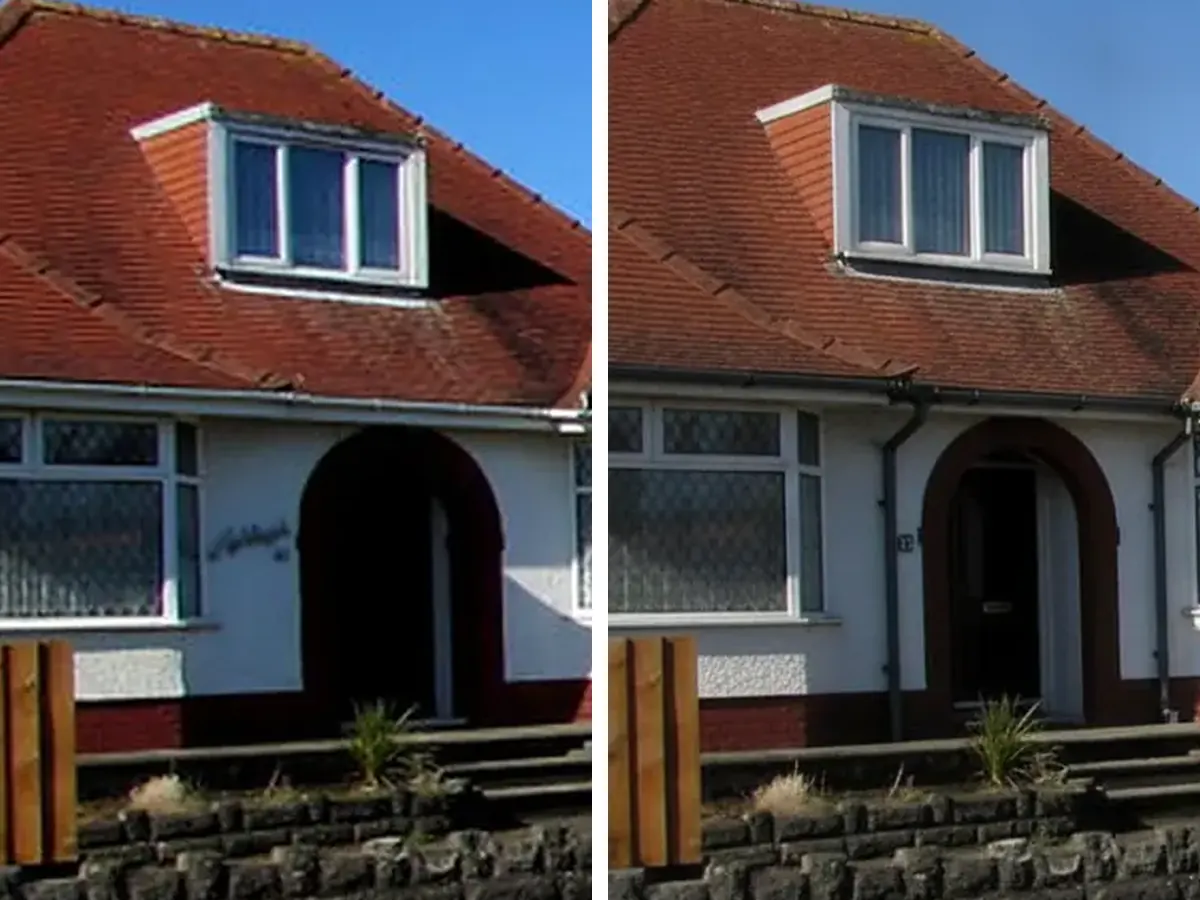 AnthraciteBeforePreview
White boards to anthracite grey, ogee gutters, on a bungalow
Example preview made with our tool
The difference
Capping, also called cladding over or overboarding, leaves the old timber fascia in place and covers it with thin uPVC. Capping boards aren't load bearing, so the old timber still carries the gutter.
Full replacement takes the old boards off and fixes load-bearing uPVC straight to the rafter ends. Any rotten rafter ends are found and fixed on the way.
Is it done?
Capping sound timber is how a lot of Irish rooflines are done, and it saves the labour of stripping and dumping the old boards. Rotten parts should be cut out and replaced, never capped: rot covered over keeps spreading where no one can see it.
Check first
Ask the company to say in writing which they're quoting and what happens if they find rot once they start.
What it saves
Capping saves the strip-out and disposal. How much depends on the house, so ask for both options priced on the same quote and decide once the company has seen the timber.
Three steps
See it on your home
Take a photo of the front of your house, pick a colour, a gutter shape and the boards, and see the same house with the work done. Then ask for any change. Free, in about two minutes.
Loading the Studio…
Free quote
Tap what you need and leave your number. It goes to one fascia and soffit company that covers your county, and they ring you to arrange a look and a written price.
FAQ
If the timber is sound, yes, and it's common practice. If it's rotten, no: capping boards aren't load bearing and rely on the timber behind.
Soft spots when pressed with a screwdriver, flaking paint with dark wood under it, a gutter dropping between brackets, or damp under the eaves.
Yes. The capping hides it, it doesn't stop it. That's why only sound timber should be capped.
Guides
Every county
One company covers each request. Pick your county for local prices, house types and the towns covered.
One company that covers your county rings you. Nothing is agreed until you accept a written price.